
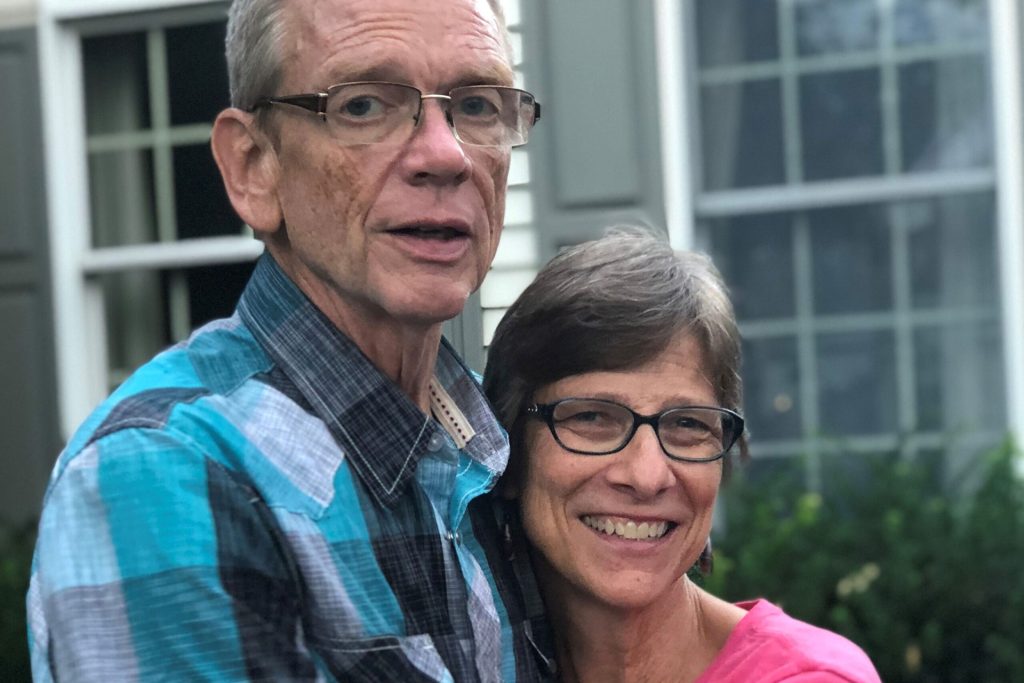
Evie Vander Meer’s journey with her husband Mark was featured in the Frederick Magazine by Guy Fletcher in November 2019.
Mark Vander Meer loved to drive and on one day in 2014, amid the shock of finally learning that the source of his mental struggles for the past several years was younger-onset Alzheimer’s disease, he was determined to drive home from his therapist’s office.
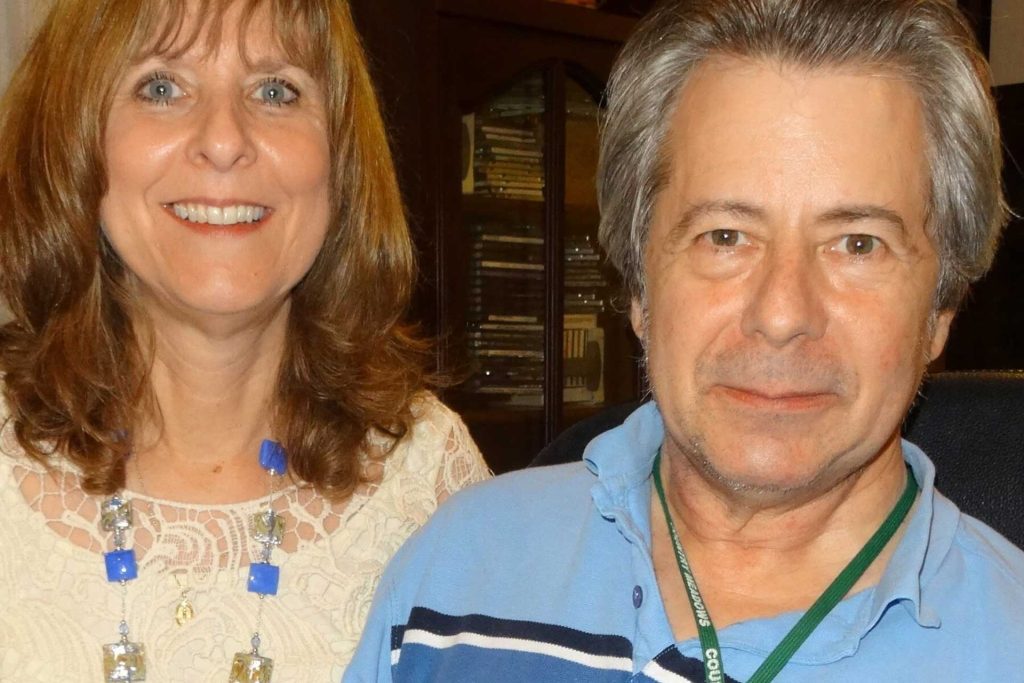
My husband, Robert Baumler, passed away in 2018 at the age of 63 due to complications from Lewy Body Dementia. His death was accelerated due, in part, to medication errors by physicians who do not understand the disease. Robert’s neurological symptoms began at the age of 42 and he was initially diagnosed with a cerebellar disorder. He was experiencing pain and stiffness in his legs and trouble with balance and fine motor skills. He also began having terrible nightmares where he acted out his dreams by screaming, punching, and throwing things. Robert’s previous issues with anxiety began to intensify and he became extremely irritable. By the age of 50, he was beginning to have memory problems and trouble performing at work, leading to his retirement from the federal government as a Facility Manager at age 55. Robert was gifted in gardening, carpentry and mechanical skills, but could no longer do any of the things he enjoyed. Despite being followed by some of the top neurologists in the country, Robert continued to be told that he was suffering from cerebellar ataxia and that the memory problems were likely associated with the ataxia, or depression, and certainly nothing as serious as Alzheimer’s.
It was not until Robert experienced a sudden psychotic phase at age 58 that we learned of a disease called Lewy Body. While a firm diagnosis could not be made, brain scans and symptoms led to this conclusion. Robert had begun hallucinating, was manic, and had delusions. Because his symptoms would come and go, he could fool everyone, including the doctors. He had no regard for safety, and tried to use a walker to go down a flight of stairs, causing him to need 24 hour care. Our two children had moved out of the home immediately upon college graduation, as Robert’s personality changes had caused too much stress in our home. They both lived close enough to help on the weekends, but most nights, I was alone trying to manage his mania which caused him to be up all night for months. I hired in-home help so that I could continue to work a few days a week, and also had helpers a few nights a week. But, the lack of sleep for many years, along with the stress, eventually caused my own health issues. Thus, I was forced to place Robert in assisted living where he received more supervision at night, along with the help with toileting and dressing that I could no longer do myself. This expense caused us to use up all of his long term care insurance and we began going through our savings.
At age 60, Robert was the youngest person in the facility and although I visited him every day, this was not the type of marriage we had envisioned at such an early age. A year before his death, Robert attended our daughter’s wedding in his wheelchair with the help of an aid. He was unable to bring her down the aisle. Unfortunately, he died before she was able to tell him she was expecting our first grandchild.
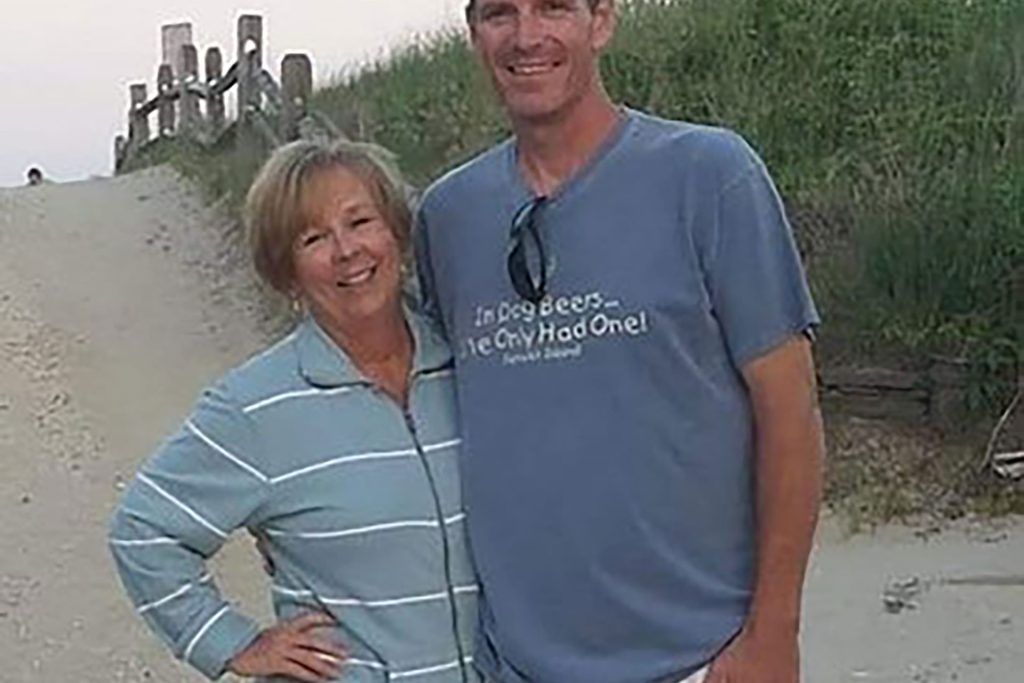
Our Story – Dave and Kathy Rogers
No one expects their life to be turned upside-down by a dementia diagnosis, but that is exactly what happened to us. At the tender age of 49, my husband Dave, who is my partner in all things and the father of three, was diagnosed with Primary Progressive Aphasia. Dave worked construction and was the hardest working man I ever knew. Building on his reputation of honesty, quality and commitment, Dave developed a commercial construction company from the ground up. Together we had almost finished putting three kids through college and were looking forward to being empty nesters with time to slow down and relax and build towards retirement. My job as the Executive Director of Absolute Companion Care, an elder care company was something I loved. All our plans shattered into a million pieces on Christmas Eve 2015. Together we continue to put some pieces back together, throw some pieces out and yes, a few have cut us along the way.
The language issues started back in 2013. Word finding was becoming more difficult. Telephone conversations at work required his office manager, our eldest daughter, to listen and take notes. He stopped writing his own emails and started to dictate them instead. Stress, we thought, was the culprit. It continued even after changing work habits to allow for more time to rest and using better organizational skills to stay focused. A trip to the doctor left us with an Attention Deficit Disorder diagnosis and Adderall. For a while, it seemed to help. Our daughter came home with “funny Dad stories” about words that came out wrong or things said backwards. Dave laughed at himself and some days it looked like it was getting better. But dementia is progressive and what we thought was a solution was only a mask.
By 2015 we knew there was more going on. He was really struggling with words. It had progressed from nouns to verbs, adverbs, and adjectives. We noticed more lethologica; describing words he could not remember. CAT scans revealed nothing physically wrong with the brain, so the next logical step was a neurologist. On Christmas Eve 2015, after 45 minutes of testing in a neurologist’s office, we first heard the words Primary Progressive Aphasia. Confirmed six month later by Dr. Hillis at Johns Hopkins, I turned my focus to find out all I could about this disease. Conversely, Dave wanted to know nothing about the disease or its progression. He wanted to face each day thankful for what he still had and not worried about what he was going to lose.
Dave suffers from the Logopenic sub-group of Primary Progressive Aphasia. His speech was becoming noticeably slower and hesitant. He was still very good with “small talk,” so it was easier for him to hide it by steering clear of heavier conversation topics. The kids and I saw his struggles and frustrations. He closed his business and began doing home improvement jobs for friends and family. Dave no longer had the executive functioning skills needed to coordinate commercial jobs. Thankfully, he had not lost his love of working with tools, a skill set he used to stay busy. He wanted to contribute monetarily for as long as possible. He knew going from two incomes to one at our age was going to be a burden and Dave wanted no part of being a burden to anyone.
Dave faced life’s challenges with the thinking process of a builder. His first goal was to construct a plan, then to figure out a way to make this journey beneficial to others. Consequently, his first course of action was to volunteer for Alzheimer’s studies at Hopkins and at Northwestern University Hospital. Patiently, he underwent numerous MRI scans, PET scans, a lumbar puncture to donate brain fluid, and more hours of neurological testing than I could count. In 2018 he signed the forms required to donate his brain to Alzheimer’s research. Logopenic PPA is caused by Alzheimer’s disease which is what causes Alzheimer’s dementia as well as several other types of dementia. His affected brain area is the left parietal lobe where the language hub resides. He continues to lose language abilities and comprehension skills; nonetheless Dave has not lost his sense of humor or his dedication to finding a cure.
The studies helped both of us connect to others going through similar life changes. Dave made friends everywhere we went. In Chicago, he not only contributed to the studies, but he also sat and talked to anyone who would listen, telling them how it felt to be inside his brain. More than anything, Dave wanted to be a contributor to the world and not an observer. In Chicago, the lumbar puncture was performed during a trip we planned to coincide with my daughter’s 30th birthday. The puncture created a massive migraine and we ended up in the hospital. He was in terrible pain and he missed the birthday dinner we had flown our family in to celebrate. In spite of this setback, when the hospital called to say the fluid had been inadvertently compromised, Dave immediately volunteered to have it done again.
As the years have progressed, so has the dementia. As a result of my business, I was more prepared than most for the continuous decline. Still, I was not emotionally ready. I do not believe anyone is ever prepared for the continual loss. I counseled my clients and their families on the best ways to avoid the pitfalls of dementia yet was not always able to do that myself. We became involved with the Alzheimer’s Association and met Deb Hanna and so many other wonderful people. We came to a support group meeting when Dave was first diagnosed, but he was not ready to see those worse off than him. His dementia diagnosis was something Dave did not want to face yet. A few years later, we reconnected and the folks we have met have become our life support. I have been able to give them concrete ideas about dementia care, hiring caregivers, even hospice choices. They have given us so much more, including the unconditional acceptance into a group where no one wants to belong.
Dave continues to be a fixer. He continues to offer help where he can and stays as connected as possible to people. Our friends and family still rely on Dave for all the tasks that most homeowners dislike. Dave remains adamant that he can help, and he does. We have both learned so much on this journey. Dave insisted from the beginning that he did not want this disease to change the trajectory of his children’s lives nor did he want to stop being a productive, contributing member of our family. He continues to be both of those things, albeit slower, and with no less conviction that he can and no less pride when he has met a challenge. Dave has begun to use the Touch Talk device, an assisted speech computer. He knows his physical and cognitive abilities have diminished. However, Dave does not feel less of a person because he knows every day that we still need him.
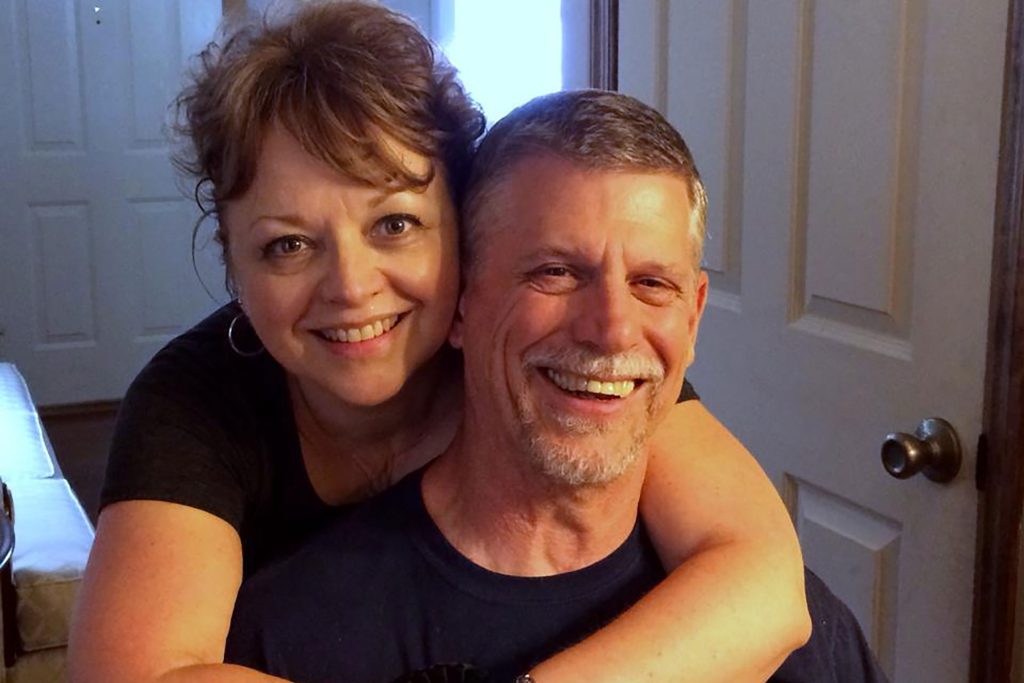
What Sort Of Things Are Lost when Your Loved One Has Dementia?
Mary Jones reflects on the loss of her husband Bill Jones, Alzheimer’s disease with Lewy Body
The slow loss of so much…little by little
For me, many of these were lost long before November 5, 2019:
Future memories with the love of my life
Plans for our future
The loving embrace of strong arms
A thoughtful man who consistently opened doors for me (houses, stores, cars…)
A fun “Pop” for my grandchildren
A father to my children
My best friend
The sound of his voice
Conversational give and take (long lost)
A mealtime companion
His bright “smiling” eyes (one of the first losses)
A kiss goodnight
A tender hand on my back as I walk
The driver
A personal handyman to fix things
A grocery bag helper
Strong arms to lift or carry heavy things
Someone to pack the car efficiently (another early loss)
A travel companion
A protector
Being part of a couple (this lost “status” is huge)
A partner in prayer
A shoulder to cry on
Someone to laugh with
Someone to share morning coffee or an evening glass of red wine
Someone to make meals for
Someone to help make decisions (I became his decision maker a few years ago…at first informally and then formally)
Warmth of him asleep next to me in bed
A companion
A lover
A best friend
A husband
And more…
Dementia causes a slow fading and deterioration of a person.
There are NO disease modifying treatments.
Dementia deserves more attention.
Dementia deserves more funding for patient and caregiver support and research…for at minimum an effective treatment.
With most other diseases there is hope for stabilizing or improving the outcome.
Right now for people with dementia the eventual outcome is death.
Please pray for increased attention to this very real public health crisis.
Please pray for the day that no one has to face these sort of losses ever again.
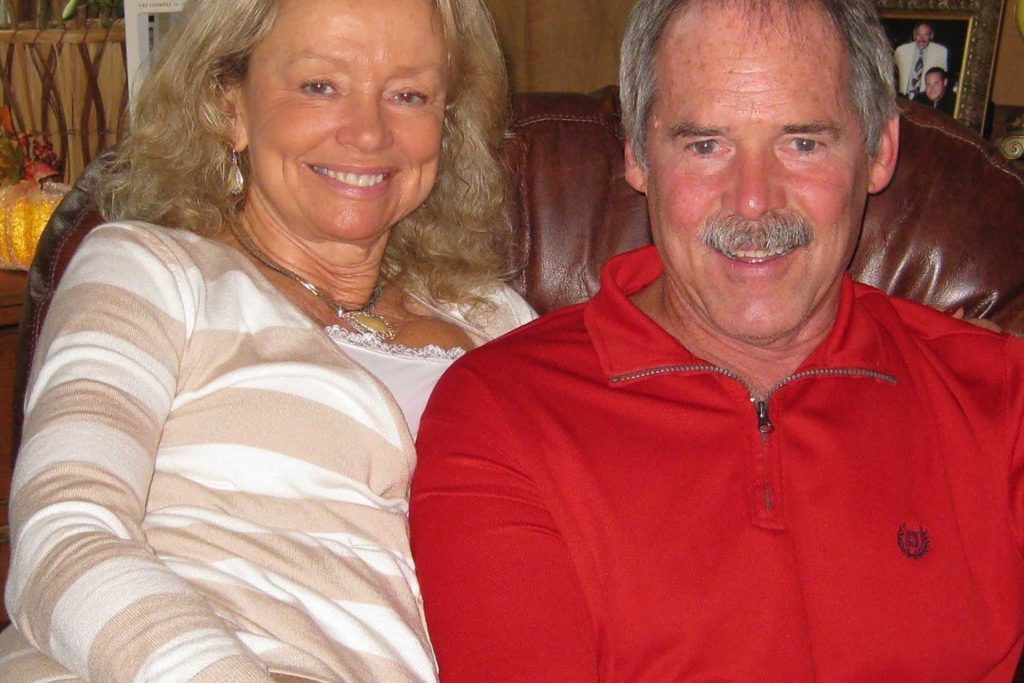
On November 28, 2016, I lost my wonderful husband Ron after his (our) 10-year journey with dementia. He was 67 years old and had been diagnosed in his mid-50’s. I knew something was not “right” long before the official diagnosis, and I chalked it up to work stress! He was having trouble with directions while driving, hiring people to do chores he once enjoyed doing, his technical and math skills were diminishing, and I thought he just wanted more free time to golf!
First lesson: Do not stick your head in the sand when a problem is staring you right in the face! Ron was a brilliant businessman and owned and ran an electrical contracting firm which was extremely successful. One day my daughter said, “Something is wrong with dad, I think he needs to see a doctor!” I approached the subject with him expecting him to get angry and deny anything was wrong, he simply said, “I know.” When we saw the neurologist, he could not answer any of the questions, or draw the images requested. I was dumbfounded! The diagnosis was quick: young onset Alzheimer’s. Ron did not want anyone to know because he was afraid it would affect his business. He was determined to fight his diagnosis, entered a drug trial, and tried his best to continue his normal life. It was not long before we realized that was not going to be possible. After a year, Ron realized he had to resign and sell his portion of his company to his partners. At the time, I think we were oblivious that dementia was a fatal disease. It was difficult watching Ron die a little bit more each day. I cut back on my job so I could spend more time at home with him. After multiple accidents, due to his declining physical skills, I had to hire home health care aids while I went to work. By that time, he needed to be toileted, fed and dressed. I had to bathe him every morning, cut his food into bite size pieces so he could attempt eat with his fingers. I started to feel like his mother, not his wife. He was behaving like a child, in his own little world, forgetting how to be empathetic and caring only about his immediate needs.
Lesson 2: Do not feel guilty if your feelings for your partner change. Ron was not the same person who I married, and I had to learn how to love him anew. I had lost my best friend, lover and confidant.
Lesson 3: Self care is as important as caring for your loved one. To be a good caretaker, you need to take care of yourself. That includes going out and being with other people. You need to nurture yourself so you can give your best to your loved one. I took care of Ron at home for 7 years, most of the time by myself, which leads me to lesson 4!
Lesson 4: Asking for help is imperative. I wanted to be strong and do everything for Ron! It takes strength and bravery to ask for help from family and friends and most of the time they are just waiting to be asked! This is part of nurturing yourself.
One day I realized Ron could no longer read. We were trying to record a book for our first baby grandchild so she would have a recording of his voice as she grew up. He could not do it. This is when I finally realized the decline was not going to stop. He began having trouble talking and remembering words. When he did talk, his speech patterns made him sound intoxicated. I was feeding him, toileting him, changing his diapers and the sheets almost every night. After one final accident with his caretaker, the doctor told me it was no longer safe for him or me for Ron to be living at home. He went to rehab and then assisted living. A few months later I moved to Maryland to be near my daughter and grandchildren. Ron resided in Copper Ridge, in Sykesville and because of all his physical difficulties, his diagnosis was changed to frontal lobal dementia. Dr Nicole Absar, Neurology Psychiatrist said he was one of the worst cases she had ever seen. I visited every day and began to realize lesson 5.
Lesson 5: Everyone has a story! Their worst-case scenario may be a water leak, a car accident, a job loss, a troubled child, etc. To them, they are dealing with a big problem and they need an ear to listen just like you do. Be a listener and a support for someone else when they go through hard times, even if it seems small compared to your hardship.
Lesson 6: Do not forget to nurture the other hats you wear! You may be someone’s daughter, sister, friend, aunt, teacher, co-worker, mother, neighbor, or grandmother. You want those hats to still be there at the end of this journey. Life must go on, so choose to live your life the way your loved one would want you to! Make the most of what you can give to others, look at your glass as half full, not half empty. Make a difference to someone or something. Live!
Ron was a wonderful husband, father, friend, businessman and man! This is how I choose to remember him. He never had a chance to know his three beautiful grandchildren. Yet, I know he is looking down on them and watching them grow. When I dream about him, he is healthy, happy and telling me, “Babe, You are doing great! Love, live and make a difference! I am with you always!”
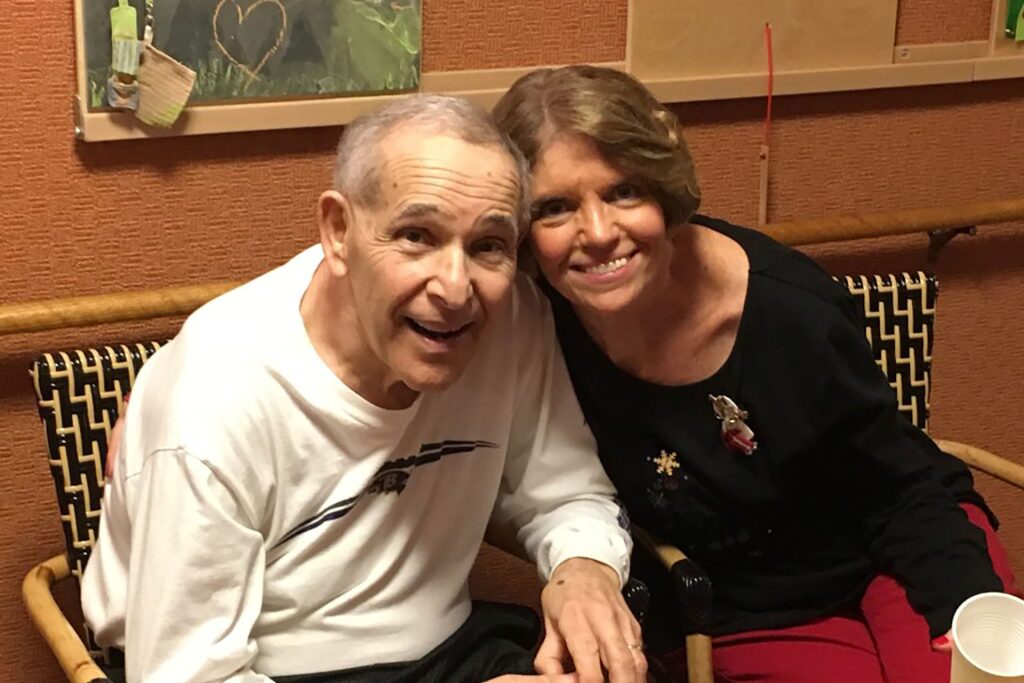
Ron and I met and married in our early 40’s. We had many dreams and quite a long bucket list. We learned through life experiences that we needed to get started on our dreams. First, we bought a house, then Ron bought me my DREAM car, a green Jaguar. We cruised and we traveled; to Hawaii, the Caribbean, up the NE coast to Canada, up the NW Pacific coast, Las Vegas, the Grand Canyon and many other cities to watch the Orioles and/or Ravens play.
It was on a family vacation to Ft. Lauderdale that our concerns with Ron’s forgetfulness deepened. He misplaced his wallet the day before we were to fly home. So out of character for him. We found the wallet in a shopping bag of clothes – again, a decision he would haven never ordinarily made. That incident was a turning point. We were both aware of his memory decline. We started seeing a string of physicians and finally got a diagnosis at Copper Ridge: Frontal Lobe Alzheimers. Ron was 62 years old.
He stayed status quo for 5-5 1/2 years. He continued to run his business, a commercial cleaning company. He adapted well. Once his illness began to progress it did so very rapidly. Within a few months he could no longer find his way home. It was obvious he could no longer run his business. We had to sell it. The next 2 years were almost unbearable. Ron became aggressive and sometimes violent. He never hit me, but he was constantly throwing things, yelling and always in a state of anger. My sweet, gentle, best friend was no longer there. It became obvious I could no longer care for him at home. It wasn’t safe for either of us. With help, I had him admitted to Arden Courts Memory Care in Owings Mills, MD. I was pleased with his care, but for 4-5 months he was so angry he was there. He couldn’t understand why he couldn’t go home. It was heartbreaking that I had to leave him there. I hated myself for doing this to him. He finally adjusted and it became home for him, but it continued to torture me. This is when I was introduced to PALS (Pretty Awesome Ladies). They came to my rescue. I joined this caring support group and they helped me through those difficult few years.
Ron passed on October 5, 2019 having spent the last 4 years of his life in assisted living. I moved him to a facility one mile from our home and I retired from my 43 year nursing career to spend as much time as possible visiting and taking care of him. By this time he was total care and I felt I belonged by his side as much as possible. He passed away in my arms at 72 years old, his 10 year long battle over. My advice to you is no one knows where our journey will take us, so I encourage you to live life to the fullest (within your means) every day. The future holds no guarantees and I am so thankful that is what Ron and I did. Had we waited till after retirement none of those wonderful times would have happened. There was only one thing left on our bucket list undone, a trip to Alaska. I will go there some day when it is safe and I know he’ll be smiling down on me saying, “you go MUZ, you go.”
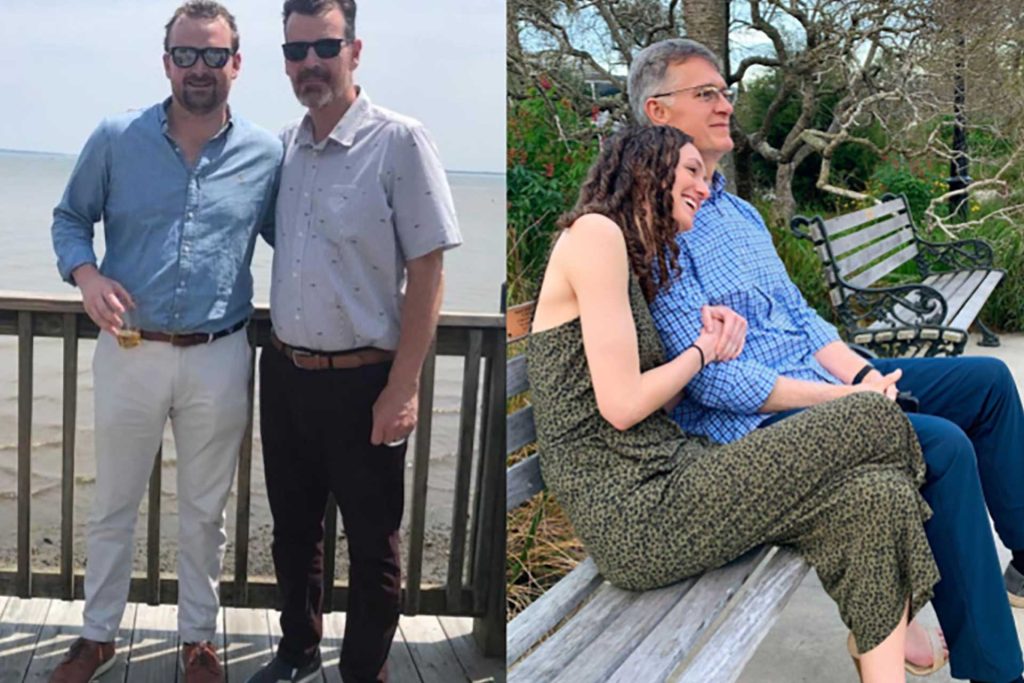
Father’s Day Dear Dad Letters
Dear Dad,
For over 23 years now you have taught me more than anyone could in a lifetime. You’ve been my rock, my father, and my protector. Through the good, the bad, and the ugly, you are always there with open arms. I know this year isn’t anything like how you wanted but one thing will never change, you are and always will be my loving, caring father. From your diagnosis at just 56 years old, I’ve watched you put your all into this family. From making time for weekly lunches with your brother and now sister-in-law, to helping each of your children whenever they need, no questions asked. I can’t imagine how frustrating it can be at times to have Alzheimer’s, but I hope you know, from the outside, your constant fight to never give up on tasks or your independence is the most admirable thing. I will always look up to you dad, not because of any job title you have held or your athletics you had in college but because of your courage and strength when facing this obstacle. I can’t be more grateful for the lessons and skills you have taught me. You have blessed me in more ways I could ever imagine. I wouldn’t be the person I am today without you. You have made me a better, more patient and positive person. I still have a lot to work on, but you have changed my perspective on life. So, here’s to a day of celebrating you, although you deserve much more. I am now and forever thankful to call you my dad. I love you so much. Happy Father’s Day!!
Love,
Your daughter Devin
Dear Dad,
Thank you for being a model of resilience. Despite everything, you have stayed positive, and been a pillar of strength for our entire family even if you don’t know it. Although this disease has taken so much from you, your sense of humor and legendary work ethic still find a way to shine through. My sisters and I would not be where we are today without what we learned from you and continue to learn to this day. Your entire life has been about making sacrifices so that your family could be in a better place. Whether it was working tirelessly to build your own business or coaching all of our sports teams. Even if we can’t communicate in the way we used to, I cherish any time I get to spend with you, whether on the golf course or just hanging out over some beers.
Love you dad.
David
Audra’s Story
If you asked me 5 years ago, what are you afraid of most? My answer would be losing someone to dementia. I could not wrap my head around someone I love losing their memory and suffering through such a debilitating disease. Little did I know, my life would change drastically in the following few years.
My mom (Shara) was a realtor, an entrepreneur, a weather expert, a beachgoer, an animal lover, a wife, a daughter, a sister, and a mother. She didn’t care what the norm was, she was going to do what she wanted when she wanted. My mom is still all those things, but it’s different now. She is, and always will be, my best friend.
The year is 2017, and I am living my dream as a Golf Professional in Florida. This was around the time I realized something was off. You see–my mom and I talked every day, about everything, until the calls stopped coming in. At the time, I chalked it up to her being busy at work, and she must not be able to give me the attention I needed; after all, I was 26 and an adult living on my own. I had recently moved to a new house in Florida and mom came down to help me get settled. This was the first real wake-up call that something was really wrong. I spent that weekend helping her feel comfortable, making sure she didn’t lose her phone or her jewelry, and taking care of her. I didn’t know what was going on, but I knew it wasn’t good.
Fast forward to June 4th, 2018. I remember that day so vividly because I had my PGA Playing Ability Test, a golf tournament required by the PGA to become a certified professional. This was a big day for me, I had to shoot a certain score to become eligible. It was also the day my mom was diagnosed with Young Onset Alzheimer’s Disease. That day would change the course of my entire life.
I got a call the next day from my stepdad (Scott) who explained the diagnosis to me. I couldn’t believe my biggest fear was actually coming true, let alone to the one person I have always been afraid to lose. It paralyzed me. I immediately sprung into action, doing all of the research, looking up clinical trials, trying to find a way to get out of this disease. I soon came to realize there is no out. How could my mom be 56 and have Alzheimer’s? Is that even possible? Then it hit me, how can I help my mom if I am living in Florida? I had to make the first big decision of my life: do I stay in Florida and do what I can, or do I move home to help my mom and Scott? After 3 months of pros and cons lists, discussions with my family and friends, and my personal gut feeling, I decided it was time for me to move back home to Baltimore.
I said goodbye to Florida and officially moved back to Baltimore in January 2019. I had a new job at a great golf course, I had my support system, but most importantly I had my mom. In the beginning, I felt a sense of relief to be home. It didn’t take me long to realize this was going to be a lot harder than I thought. I quickly learned how difficult it was to manage life as a caregiver. In the golf industry, you are expected to work long hours in the summer, on weekends, and on holidays. As my mom was progressing, I realized that I did not want to miss these times with her. After a year of being home, I decided it was time to find a career that could offer a better work/life balance.
This next life change was a hard one. I always knew I wanted to teach golf, I played golf in college, I became certified with the LPGA, and was working on my certification for the PGA, but my mom and my life were more important. I searched job boards for months trying to figure out how I could transfer my skills as a Golf Professional to the corporate world. I ran across a LinkedIn job posting from a gentleman I previously fitted for golf clubs (small world). The company was looking to fill a position for the IT/HR Helpdesk, a position that required skills in customer service and problem resolution. I knew this was something I could do! I reached out to the recruiter and was hired the next week. Once again, I was relieved. Now I could work during the week and spend the weekends/evenings with mom and Scott. I have been working at this company now for a year and a half and it has given me the ability to be a caregiver for my mom and manage my life.
It’s now 2021 and my mom is considered stage 6 of the disease, there are only 7 stages total. She pretty much needs help with everything she does. Although I made all of those changes in the last few years, the last few months have been the hardest for me. The pandemic has given me the ability to see my mom more than I ever would have imagined. I cherish every moment I have with her, but I know it will just get harder as time goes on. I never truly knew that you could actively grieve a person that was sitting right in front of you. I catch myself staring at her, longing for the mom I had, that I lost, and I am worried that I will only remember her with Alzheimer’s. This is supposed to be the time in my life where my mom becomes my friend, my ally, my support system, the person that helps me make the big life decisions. I constantly think about what my life would be like if this never happened. I watch my friends have lunches, parties, weddings with their moms and I envy that so much. If only I could do those things with my mom. I think about Scott and the sacrifices he has made in the last few years. These were supposed to be the good years for my parents–full of grandchildren, vacations, and retirement. Without him, I don’t know what our situation would look like. He lives and breathes this disease each and every day. No matter what happens, I will always be eternally grateful and proud to call him my stepdad.
Throughout the last few years, I have had trouble venting to others. I always felt that no one truly understood what it was like to watch your parent slowly lose all of themself at such a young age, and that no matter how much time I spent with my mom, I always felt I should be doing more. After months of research and connecting with Alzheimer’s groups that didn’t necessarily apply to my age group or my mother’s diagnosis, I finally found YES! A small, intimate group with so much potential that I knew this was the place for me to not only have my own voice heard but help others find their own platform.
I am truly grateful that I have found others who can relate and understand. The reality of the situations that we all face is that eventually, our loved ones do forget all the things that made them who they are– and that pain is not replaceable. I have predicted the future, thought about what I will do when she forgets my name, thought about what I would say at the funeral, and have thought about what my life will be like without my mom. I have recently realized that though all of that is true and in my future, that I can only control what happens in the present. I have been actively working to redirect these thoughts into positive things. Instead of thinking of the future, I am trying my best to be grateful for the time I have with my mom, that she trusts me to help her, and what an honor that is. This is where YES! and our work is so crucial: in easing the pain that so many of us face, and saying “yes” to the moments that we are in.
My mom was diagnosed 3.5 years ago. Since then, I have relocated, switched jobs, changed my career path, and become a caregiver. I would not change a thing. Unfortunately, this disease changes everyone it touches, but it makes you look at life a little differently. Always cherish the little moments, love your family and friends, and take the opportunities you are given. This is my story, and it is ever-changing. Because of Alzheimer’s I am stronger.
Michelle’s Story
“Life is a balance of holding on and letting go”
–Rumi
This has always been one of my favorite quotes about life, and when it comes to anticipatory grief, it couldn’t be truer for me.
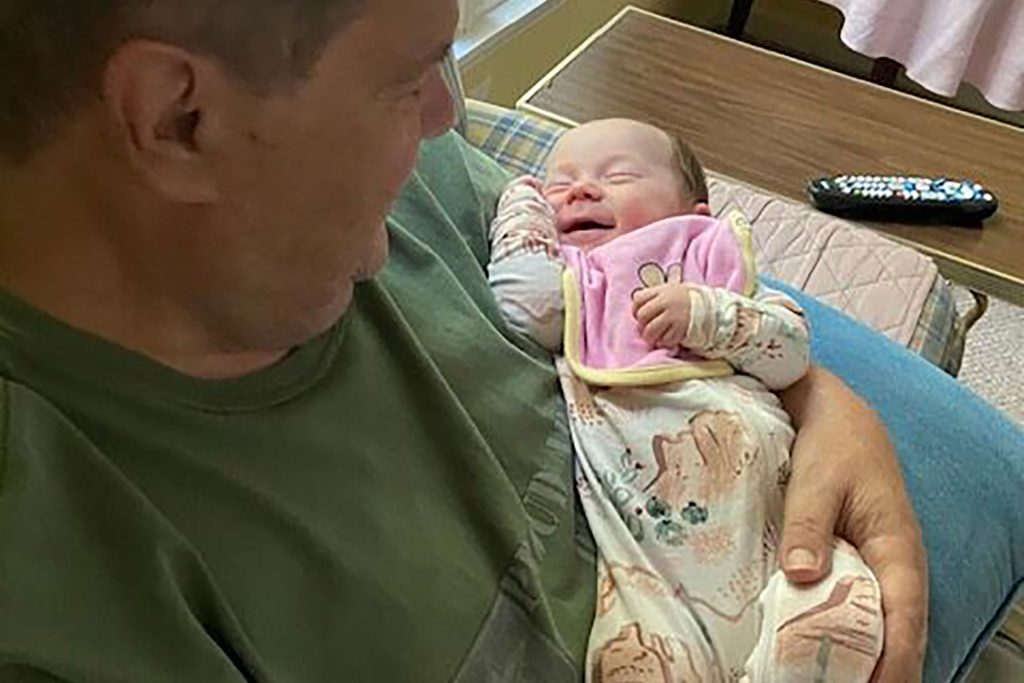
My dad was/is a hard working man who grew up in a blue collar family with four siblings. He worked his tail off to build a good life for me, my brother, sister, and our mom. He loves football, music, and the outdoors. In 2018, after several years of us noticing memory problems, anxiety, and difficulty with multi-step tasks, he was diagnosed with Alzheimer’s at age 62. At that time, I was in the Army, stationed in upstate New York, with my husband and our son. I was fortunate enough to be compassionately reassigned shortly thereafter to Maryland to be closer to him and our family. There have been many life changes since then. My family and I moved into a new house, we weathered the pandemic, I decided to transition from Active Duty to the Reserves in order to stabilize in Maryland, my dad progressed to the moderate stage of the disease, and three months ago, I gave birth to my second child – a girl named Penelope (Penny).
Over the past three years, with the help of my husband, mom, siblings, and the YES community, I have done a fair amount of grieving the loss of who my dad used to be and mourning the loss of the future as I once imagined it. At times, I’ve even come to a place of acceptance of his diagnosis, but then something happens that jolts me into a different stage entirely. Examples in the past have included his forgetting I was in the Army, and not knowing what the NFL Draft was (he has always been a huge Ravens fan). Most recently, it has been the birth of Penelope that has me fluctuating between states of denial and sadness over the fact that my dad won’t be physically or mentally present for most of my daughter’s life. It’s times like these that Rumi’s balance of holding on and letting go feels more like a fierce tug of war than it does a balancing act. I find myself holding on tightly to every moment the two of them share together, completely unwilling to let go of my fundamental belief that Penelope should have her grandpa in her life for a much longer time than she actually will.
I know that I will eventually accept the fact that my daughter will have a limited memory, if any, of her Grandpa down the road. In the meantime, I hold on to the sweet moments and memories they are sharing right now. I try to replace my exasperation with gratitude when he asks the same questions over and over: “How does she do in the evenings? Does she ever cry?” I smile when he comments on the miracle of childbirth and when asks my personal favorite question, “How is that sweet baby of ours doing?” and I laugh with tears in my eyes when he gets so excited that he’s gotten her to smile or laugh at his silly faces and noises. I take an excessive number of photos and videos to make sure Penelope will always know just how smitten Grandpa was with her.
Finally, I try to practice self-compassion as I move through the messy, non-linear process of grieving and remind myself that life is, and always will be, a balance of holding on and letting go.
Nelly and Her Mom
by Nelly Sandeep
If you asked me about how my life has been the last few years, many people would expect me to say that it’s been phenomenal. I got my master’s degree, had great opportunities at work, got my clinical license, married my boyfriend of 8 years, and adopted the very best dog. What some people don’t know, however, is that throughout all these major accomplishments/life changes, my best friend, my mom, would be facing her hardest years yet. This didn’t stop her from being by my side the entire time, but the definition of “by my side” would change quite a bit.
Growing up, my mom and I were always very close. As the youngest child and also her only daughter, my mom and I had a unique relationship. I remember being teased for how close we were. At times we felt a lot more like sisters than parent/child. As I continued to grow up, she held a bigger and bigger role in my life, eventually leading to being the only person who could comfort me in my darkest moments and the person I would laugh the most with. My mom didn’t always have an easy life and as I grew up, I got to learn more about that. She started to become vulnerable with me too, sharing parts of herself with me that she had not shared with anyone else. During this time, she taught me many things, but one of those things was strength and neither she nor I knew how much I would need this in the coming years.
My mom started showing signs of young-onset Alzheimer’s in 2016 when I was just 20 years old. My boyfriend (now husband) and I noticed it first and if it weren’t for him, I would have thought I was crazy. In fact, I begged my family for over a year to hear my concerns and take her to the doctor. In 2018, my father started noticing things and brought my mom to a neurologist. This was not a great experience for many different reasons; therefore, she did not return for further testing and the results of the testing that was completed were ignored. Over the next year, my father would face scrutiny amongst our entire family for pushing my mom to see more doctors. My mom was telling us all that it was simply “anxiety” and my dad’s behavior was stressing her out or making things worse. For the first time in my life, my mom and I were not on the same page. I didn’t know what to do other than to sit back, stay silent, and try to convince myself that Mom was right, it was just anxiety. My dad, however, did not give up. One thing led to another, my mom saw a new doctor, additional testing was done, (testing that could not be ignored) and my mom received an official diagnosis of young-onset Alzheimer’s in September 2019.
This timeline was odd for me. I had just graduated from my master’s program in May, finally moved in with my boyfriend of 5 years at that time after spending 2 years doing long distance in June, and I had just started my first full-time job as a therapist. I felt like my life was finally starting and I was thrilled. But when I said goodbye to my mom as I left to move from NYC to Maryland while she still lived in our home in New Jersey, she cried, which was odd for her. This cry was especially weird because it was different, she seemed scared. I comforted her but was very confused. My first official night in my new dream apartment with my boyfriend was spent with me crying, missing and longing for my mom. It wasn’t until he encouraged me to call my mom despite me not wanting to wake her. Eventually I did and she was also awake, missing me. We spoke little words to each other, but I think we both knew at that moment that something was not right. I always felt like we connected on a different level, and I think we both realized that things were going to be changing drastically in the near future. Neither of us could admit this to each other and yet we found a way to still get support from one another.
Since my mom’s diagnosis, everything in my life is a little grayer. The biggest moments in my life aren’t quite the same because although my mom is still here, she is suffering in ways I never imagined and is not the same woman who raised me. One of the hardest parts of navigating this diagnosis, however, was not having my mom by my side as we planned my wedding. My wedding was a day my mom always dreamed of. When she helped plan my brother’s wedding, I realized how much this meant to her. I promised her then that she would take an active role in my wedding. My mom and I have very similar tastes and values, so I knew her planning it would be everything I wanted. The way this turned out was very different, however. I tried to involve my mom as much as possible in wedding planning, but it only stressed her out, overwhelmed her, or confused her most of the time. This eventually led to me avoiding her inclusion in the planning and instead just telling her exciting parts, which was only exciting to her half the time.
There is one moment that sticks out to me the most, however. It was just a few months before our wedding, and she was finally trying on the dress she was going to wear. Every time she saw this dress, she forgot we picked it out and fell in love with it all over again. This time was different though. I zipped her up and she turned to the mirror. I watched her entire face change as she said, “Nelly! Oh my god. You’re getting married! And to a wonderful man.” She quickly turned around and hugged me. This hug was different from her recent hugs, which were weaker, sadder, and less warm. This hug was a true hug from my mother. This moment encapsulates what this disease is. My mom has changed quite a bit, but the pre-diagnosis version of her still exists. It just decides when it wants to come out, and it decided to come out here. For a brief 2 minutes, I got to have my true mom back, and I couldn’t be more grateful. That moment gave me the strength I needed to get through what I felt was one of the most important days of my life without my true mom by my side. I knew she was somewhere in there with the giant smile that she showed me when she tried on the dress, despite her showing up to my wedding venue and asking me what we were there for. And that moment was a reminder that this disease has taken a lot away from my mom, myself, my family, and all the lives my mom has touched. This disease has taken a lot away from this entire world, because my mom was special, and this world should have been honored to have her as part of it. But this moment also reminded me that this disease can take away as much as it wants but my mom, my very strong, funny, beautiful mother, will always be there inside, whether I can see it or not.
A Journey Across the Country
By Devin Hursey
A diagnosis of Alzheimer’s/dementia can be a devastating change in a person and their family’s life. Adjusting to new life can seem terrifying. In my experience, it was. Accepting my father’s diagnosis of young onset dementia was and still is a huge adjustment, although it’s opened opportunities I never would’ve had either.
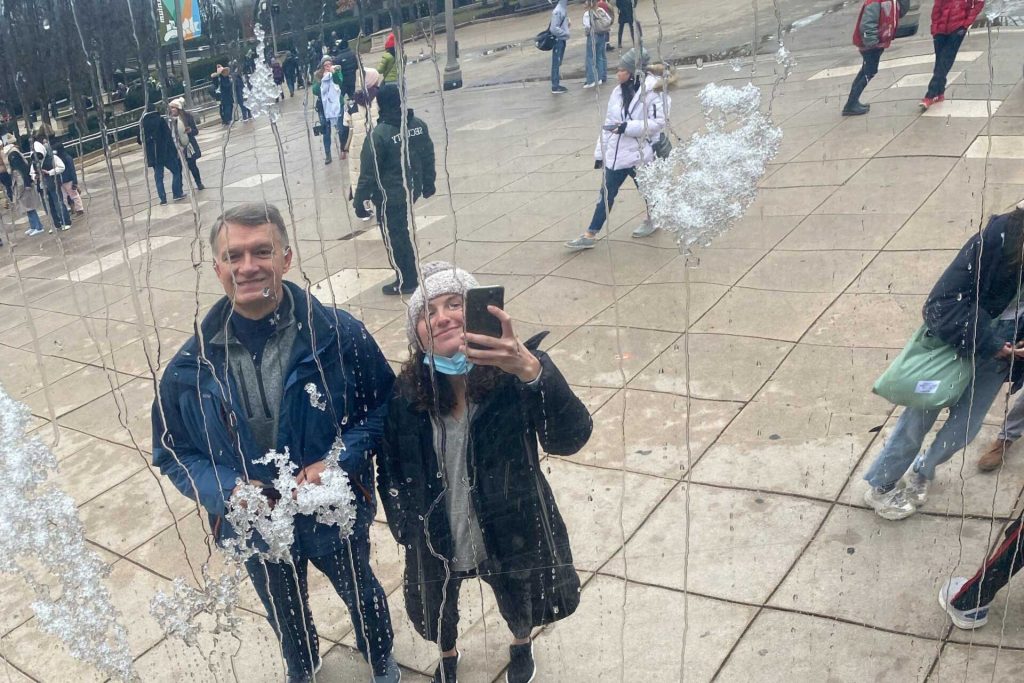
Before my dad’s diagnosis I took the time with my family for granted. I now try to cherish and spend as much time with my family, especially my dad, because life is short. I decided to start travel nursing and took my first assignment out on the west coast in Oregon. This meant packing up my car and road tripping all the way from coast to coast. There was no better choice of who to go with than my father!
The trip required a ton of driving and even days of sketchy snowy conditions. My dad and I made many stops along the way to explore. We stopped in places like Chicago, Denver, Salt Lake City, and much more. We got to explore many restaurants in the big cities like deep dish pizza in Chicago. Our drive had us spending New Year’s Eve in Denver, where we trekked through snow to go eat and watch some sports and concluded our countdown at a Skydeck lounge to watch fireworks. Although there was a ton of driving each day, it gave my father and I the time to talk and just enjoy each other’s company. I got him started on the Crime Junkies podcast and lots of music stations. Near the end we were able to stop and walk through the gardens in Salt Lake City, and of course could never skip the Ravens game, where we stopped at a pub to watch!
Overall, I can’t even remember all the places we stopped, some for just a quick night’s sleep, and some extended for the day to explore. But I got to spend over a week exploring the country with my dad. We didn’t let his disease hold us back. We made the most of a unique and fun experience, just father and daughter. Something that brings a smile to my face with the fun memories I will cherish for a lifetime.
Jim’s Story
by Joann Ogle, wife of Jim
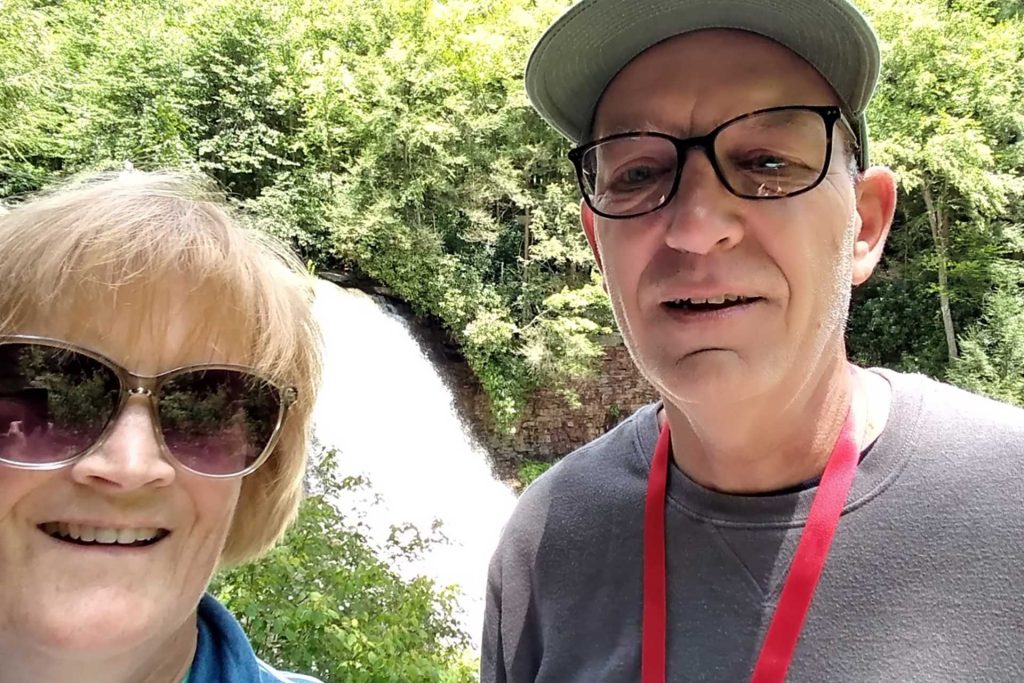
The winter storm of 2016, a loving husband, father, and grandfather would normally be looking forward to working storm duty for BGE. He loved meeting and working with people he never would have met, if not for doing extra work during storms of any kind. During this storm, he wanted to wait to see how it panned out before he headed to the assigned site. Very uncharacteristic of him. The next morning, he didn’t go in because the snow was too deep. Jim normally would have made every effort to get to his assigned location.
From that point on, we all started noticing changes in Jim. In 2017, he was sent home from work to get some rest, see his primary care doctor and a possible therapist. He was unable to remember how to do his job; one he’s had for many years. After a few talk therapy sessions, it was suggested he see a neurologist for further evaluation. That we did and the following few months were a blur. The neuro-psych exam showed MCI, or mild cognitive impairment, which is the first step on the road to Alzheimer’s disease. How could this be at age 59?
Fast forward to 2018-2019, Jim’s vision was becoming an issue. Driving was hard; he couldn’t see the lines on the road, and he couldn’t drive at night. Later in 2019, we saw a Neuro-Ophthalmologist who confirmed Posterior Cortical Atrophy (PCA), also known as Benson’s Syndrome. Briefly, this is a rare diagnosis and Jim has 20-20 vision, however, his brain doesn’t communicate with his eyes. He is now Legally Blind, and his Alzheimer’s is going full force. He has been hallucinating for a few years now and the paranoia is getting worse. His meds have been recently adjusted to help with these issues. So much medication. It’s a double dose of struggles for us.
This is not the retired life we envisioned but one we are living. Each day can bring us joy, but mostly new struggles to endure. I try and find something good in each day so I can rest peacefully at night. I pray for patience and guidance during our days ahead.
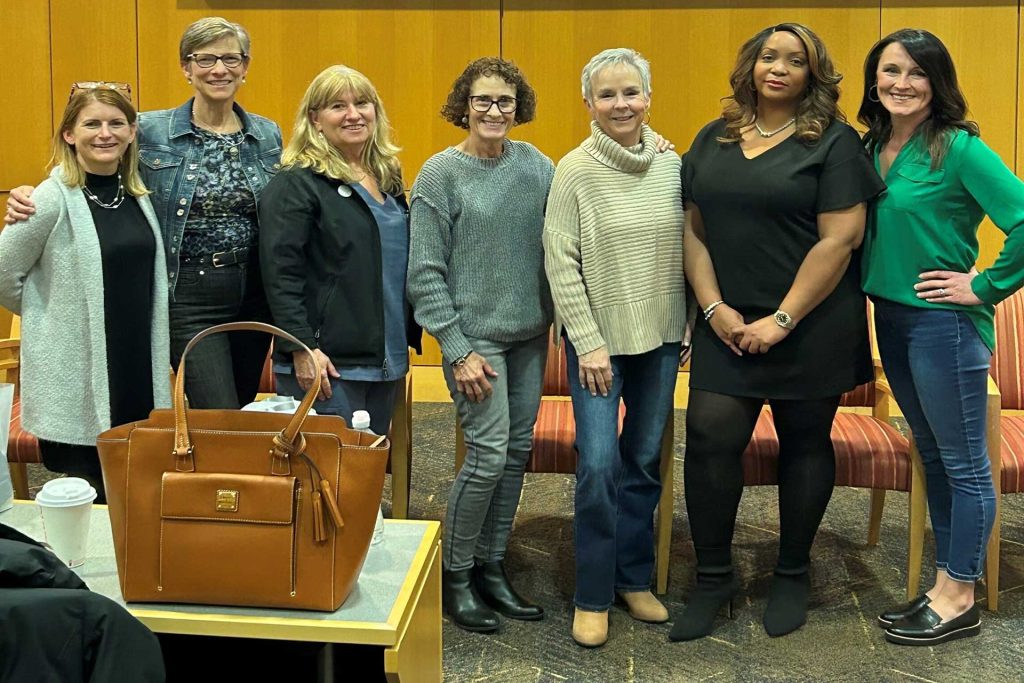
The Young-onset Education and Support (YES!) organization is invited annually to sit on a panel for University of Maryland School of Pharmacy students and professors addressing medication for those diagnosed with young-onset dementias. Representatives from YES sat on a panel moderated by Dr. Nicole Brandt, Executive Director of the Peter Lamy Center on Drug Therapy and Aging, and Professor in the Department of Practice, Sciences, and Health Outcomes Research.
The panel focuses on medication management for early-onset dementias, and how various different young-onset dementias respond to medications. YES board members were able to speak to their personal experience with loved ones diagnosed with a range of different types of young-onset dementias. Each year stories such as these are shared to help the students understand the necessity of further research and medication development. Evie Vander Meer’s story of her husband Mark, who was diagnosed with a Primary Progressive Aphasia (PPA) and the struggles with seeing him decline steeply when he entered an assisted-living facility; Shannon Hammond, YES board president’s, story of her mother who was diagnosed with Frontotemporal Dementia (FTD): and Kathy Rogers’s story of her husband Dave, diagnosed with Primary Progressive Aphasia all bring the struggles into focus for the students. Each speaker attributed type and use of medication as a contributing factor in the decline they saw.
Each panel speaker advocates more thoughtfulness in prescribing medications to patients with young-onset dementias, arguing that medication side effects and interaction with other medications are highly dependent on the type of dementia the patient is diagnosed with. One side effect that was highlighted more than once was aggression. For those diagnosed when their body is still strong, aggression can lead to physically dangerous situations for both caregivers and patients that would not occur with older dementia patients who have more physical limitations.
The panel is open to the whole UMD School of Pharmacy student body and is offered both in-person and via Zoom. It is well-attended, which reflects the growing awareness and need in the area medication management for young-onset dementia care.
Help Us Change Lives Together
Your support provides hope, resources, and a better future for those who need it most.
Donate NowSee Upcoming Events